In an age where information flows faster than verification, the ability to distinguish fact from fiction has become not just valuable, but essential.
Every day, millions of pieces of content compete for our attention. Some inform, some mislead, and many fall somewhere in between. The challenge isn't simply accessing information anymore. The real skill lies in evaluating what we encounter, understanding context, and making informed judgments about credibility.
Traditional education rarely prepared us for this reality. We learned to read, write, and calculate, but few of us received formal training in assessing digital sources, recognizing persuasion techniques, or spotting manipulated content.

The Cost of Confusion
Misinformation doesn't just spread confusion. It erodes trust in institutions, influences decision-making, and can have real consequences for health, safety, and democratic processes. When we cannot verify what we read, we become vulnerable to manipulation, whether intentional or accidental.
Organisations face particular challenges. A single employee sharing unverified information can damage reputation. Teams making decisions based on flawed data may risk significant resources. The ability to verify information isn't just an individual skill anymore. It's an organisational competency.
Building Critical Awareness
Media literacy training provides practical frameworks for evaluating information. These aren't abstract theories, but actionable techniques you can apply immediately. Participants learn to identify common manipulation tactics, verify sources systematically, and recognize their own cognitive biases.

The process begins with understanding how misinformation spreads. False information often exploits emotional triggers, confirmation bias, and social proof. Recognizing these patterns helps us pause before sharing, question before accepting, and verify before deciding.
Research indicates that individuals trained in media literacy demonstrate significantly improved ability to assess source credibility and identify misleading content [1]. These skills transfer across contexts, benefiting both personal and professional judgment.
Our Training Approach
We've developed programmes that combine academic research with practical application. Rather than lengthy lectures, participants engage with real examples, work through verification exercises, and develop their own fact-checking protocols.
Each programme adapts to participant needs. Individual workshops focus on personal digital literacy. Corporate training addresses organisational information management. Educational programmes build age-appropriate critical thinking skills.
Individual Media Literacy Workshop
A focused session designed for individuals seeking to enhance their ability to navigate digital information. You'll learn practical verification techniques, understand common manipulation tactics, and develop a personal framework for assessing credibility. The workshop includes hands-on exercises with real-world examples.
The techniques we teach aren't complicated, but they do require practice. Participants often report that the most valuable aspect isn't learning new facts, but developing a systematic approach they can apply consistently.
Corporate Fact-Checking Training
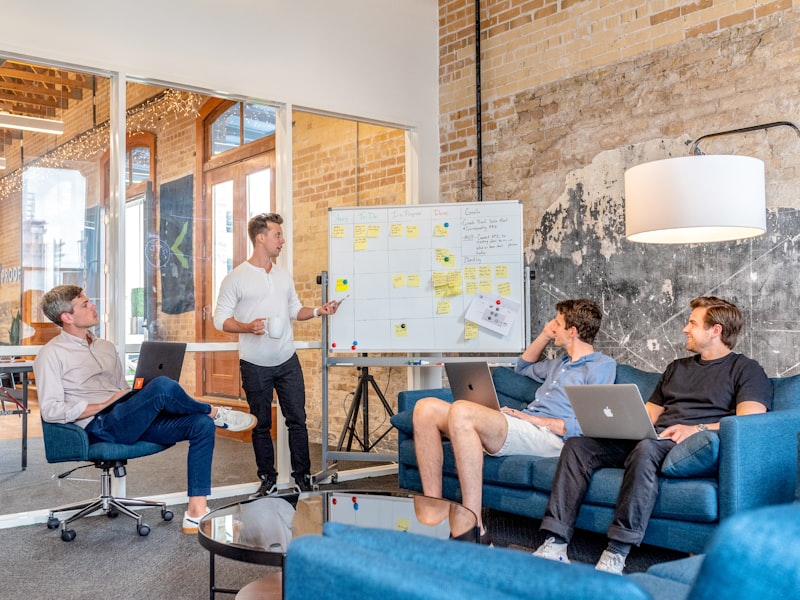
Comprehensive training designed for organisations where information accuracy matters. Your team will learn to verify sources efficiently, establish internal fact-checking protocols, and create a culture of verification. Includes case studies relevant to your industry and ongoing support materials.
Education and Youth Development
Young people encounter information ecosystems more complex than any previous generation faced. Social platforms, influencer content, and peer sharing create unique challenges. Educational institutions increasingly recognize the need for structured media literacy programmes.
Studies show that media literacy interventions in educational settings can significantly reduce susceptibility to misinformation among students [2]. Early exposure to critical thinking frameworks establishes lifelong habits of verification and questioning.
Educational Institution Programme
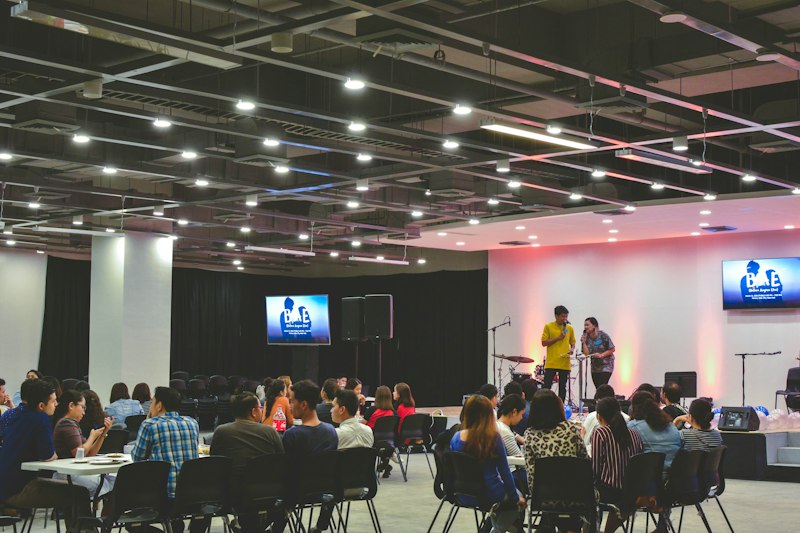
Tailored curriculum for schools, colleges, and universities. We work with educators to integrate media literacy into existing courses or deliver standalone workshops. Content adapts to student age and educational context. Includes teaching materials and assessment frameworks.
Our educational programmes don't just teach students what to think, but how to think. The goal isn't memorizing facts, but developing robust analytical processes that serve them across subjects and throughout life.
Digital Learning Options
Not everyone can attend in-person training. Geographic constraints, scheduling conflicts, or personal preference may make remote learning more practical. Our online courses deliver the same core content with added flexibility.
Online Critical Thinking Course
Self-paced digital course accessible from anywhere. Includes video lessons, interactive exercises, and practical assignments. Learn to verify information, recognize manipulation tactics, and develop systematic evaluation skills. Course access includes six months of updates and supplementary materials.
Remote learning requires discipline, but offers significant advantages. Participants can review complex concepts multiple times, work at their own pace, and apply lessons immediately to their own information consumption.
Advanced Techniques
For those with foundational media literacy skills, advanced training addresses sophisticated manipulation techniques. Deepfakes, coordinated inauthentic behavior, and subtle framing effects require specialized knowledge to detect reliably.
Recent research demonstrates that exposure to advanced misinformation detection techniques improves accuracy in identifying manipulated content, including emerging AI-generated materials [3].
Advanced Misinformation Detection Workshop
Intensive programme for professionals requiring sophisticated verification skills. Covers advanced source verification, digital forensics basics, coordinated misinformation campaigns, and emerging manipulation technologies. Includes practical tools and ongoing professional resources.
Advanced participants often work in journalism, research, or policy roles where misinformation can have significant consequences. The training provides tools for systematic investigation and verification under time pressure.
Begin Your Journey to Information Confidence
Select the programme that matches your needs and take the first step toward mastering media literacy.
Get Started TodayScientific References
- Media literacy interventions and credibility assessment capabilities in adult populations, Journal of Communication Studies, 2024
- Educational media literacy programs and misinformation resistance in adolescents, Educational Psychology Review, 2023
- Advanced detection techniques for AI-generated misinformation, Digital Forensics Quarterly, 2024